
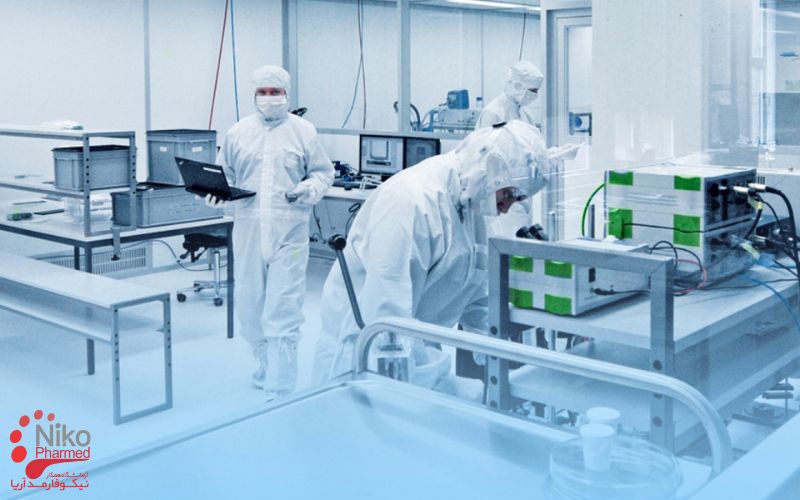
What is Cleanroom Microbial Monitoring?
Cleanroom microbial monitoring refers to the process of inspecting and controlling the level of microbial contamination in the cleanroom environment to ensure it is safe and hygienic for sensitive production or testing. Specific plates are used to collect samples from the air, surfaces, or equipment to identify the presence of live microorganisms such as bacteria or fungi. The main goal of this monitoring is to prevent the growth of pathogens and maintain sterile conditions in sensitive areas such as pharmaceutical production, medical device manufacturing, or electronics.
For free consultation about Cleanroom Microbial Monitoring, Contact Nikopharmed
Process of Cleanroom Microbial Monitoring
Planning Microbial Monitoring
Critical Control Points (CCPs) are identified to determine the locations and processes at the highest risk for contamination. Based on the cleanroom class and type of activity, an appropriate sampling schedule is established to ensure that cleanroom microbial limits are maintained.
Air Sampling
In active methods, air samplers, such as the Air Sampler, are used to draw a specific volume of air through a culture medium to capture airborne microorganisms.
In passive methods, Settle Plates are placed in the environment for a set amount of time to allow airborne microorganisms to settle on them.
Surface Sampling
Contact plates containing agar culture medium are pressed onto surfaces to transfer microorganisms. Then, a swab moistened with saline solution is used to collect the sample from the surface.
Personnel Sampling
Microbial contamination on work clothing and gloves is examined, and hand hygiene practices and adherence to sanitation protocols are assessed.
Culturing and Incubation of Samples
Samples should be transferred to the laboratory in sterile conditions as quickly as possible. Then, they are incubated at an appropriate temperature (usually 30–35°C) for a specified time (48–72 hours) to allow microbial growth.
Counting and Analyzing Results
The number of colonies growing on each plate is counted. Results are analyzed statistically and compared to the maximum allowable values as set by the cleanroom microbial limits.
Microorganism Identification
Traditional microbiological methods, such as Gram staining, biochemical tests, and colony morphology, are used for identification. Advanced molecular methods like PCR and genetic sequencing are used for more precise and faster identification.
Reporting and Documentation
A comprehensive report is created, including sampling methods, counting results, analyses, and any potential deviations. If results fall outside the cleanroom microbial limits, the causes and corrective actions must be documented.
Corrective and Preventive Actions
Root Cause Analysis (RCA) is conducted to identify the primary causes of contamination. Corrective actions, such as improving cleaning processes, retraining personnel, or changing working methods, are implemented. Re-monitoring is then performed to ensure the effectiveness of the corrective actions.
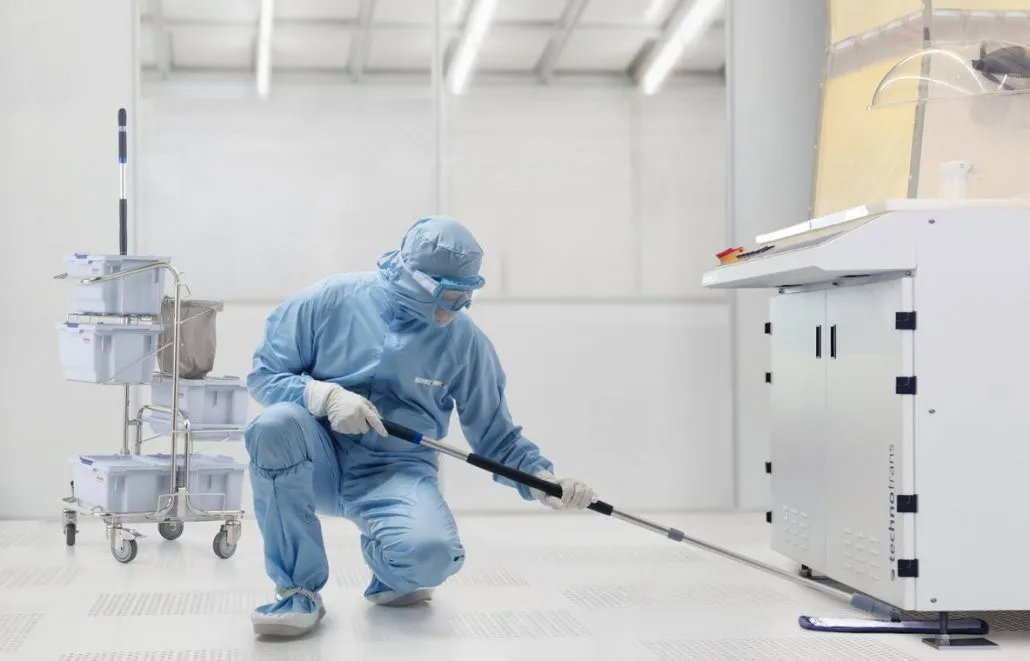
For more information about cleanroom validation, Click here
What Standard is Used for Cleanroom Microbial Monitoring?
Cleanroom microbial monitoring is conducted in accordance with the requirements of ISO 14644, which provides a specific framework for contamination control in controlled environments. Specifically, ISO 14644-1 and ISO 14644-2 address airborne particles and also provide complementary guidelines for environmental microbial monitoring.
In this process, sampling from the air, surfaces, and equipment is carried out using approved methods, and the results are compared to the allowable limits established by the standards. Regular microbial monitoring in accordance with ISO 14644 plays a key role in maintaining cleanliness class standards, preventing microbial contamination, and ensuring quality in sensitive industries such as pharmaceuticals and medical devices.
Cleanroom Microbial Limits
Cleanroom microbial limits refer to the maximum allowable levels of microbial contamination in the cleanroom environment. These limits are typically specified by international standards, such as ISO 14644, and are critical to maintaining the required air quality and ensuring the safety of sensitive production processes. Adhering to these limits helps prevent microbial contamination from affecting the integrity of pharmaceutical products, medical devices, and electronics. The microbial limits are often determined based on the cleanroom’s classification, where higher classes (such as ISO Class 5) allow fewer particles and microorganisms than lower classes (like ISO Class 8).
In the context of cleanroom microbial monitoring, these limits serve as benchmarks to evaluate the effectiveness of the control measures in place. Routine sampling and testing are conducted to ensure that microbial levels do not exceed the predetermined limits. If microbial contamination surpasses the limits, corrective actions must be taken immediately, which may include enhanced cleaning protocols, re-training staff, or adjusting the ventilation systems to maintain the environment within the desired microbial range.
Cleanroom Microbial Requirements
Cleanroom microbial requirements are a set of standards and protocols that define the necessary conditions for maintaining microbial control in a cleanroom. These requirements are often laid out by regulatory bodies such as the FDA, EMA, and international standards like ISO 14644. These requirements cover various aspects of cleanroom operation, including the control of airborne particles, temperature, humidity, pressure, and microbial contamination. By meeting these requirements, a cleanroom ensures that the production environment remains sterile and free from contaminants that could affect the quality of sensitive products.
Among the primary cleanroom microbial requirements is the establishment of a sampling and testing schedule for environmental microbial monitoring. This involves identifying critical control points where contamination is most likely to occur and focusing monitoring efforts in these areas. Cleanroom microbial requirements also include protocols for equipment maintenance, the training of personnel, and the use of appropriate disinfectants and sterilization methods to prevent microbial growth and help cleanroom validation process.
Cleanroom Environmental Monitoring
Cleanroom environmental monitoring is the process of regularly assessing the conditions within a cleanroom to ensure they remain within the acceptable parameters for air quality, temperature, humidity, and microbial contamination. Environmental monitoring focuses on controlling the environmental factors that contribute to contamination and ensuring that they meet the stringent criteria set by cleanroom standards. This monitoring is critical in industries such as pharmaceuticals, biotechnology, and medical devices, where even minor contamination can lead to product failure or safety risks.
Environmental monitoring involves a range of activities, such as continuous monitoring of airflow, temperature, humidity, and pressure, as well as routine microbial sampling of air and surfaces. By using tools like particle counters, air samplers, and contact plates, cleanroom operators can detect potential contaminants before they cause significant problems. Additionally, environmental monitoring is essential for validating the effectiveness of the cleanroom’s filtration systems, such as HEPA or ULPA filters, which are crucial for controlling airborne contaminants and maintaining the desired environmental conditions.
Conclusion
Cleanroom microbial monitoring is an essential component in ensuring quality and safety in sensitive industries. The accurate and regular implementation of microbial monitoring processes not only helps comply with standards and regulations but also improves processes, reduces risks, and increases customer confidence. By adopting a proactive and comprehensive approach to microbial monitoring, organizations can ensure the integrity and safety of their products and maintain their position in competitive markets.
To gain more information about our services, Contact Nikopharmed